
If your loved one has PTSD, it can be hard to know how to help. Learning about the disorder can help you understand some of their behavior and support them in their healing process.
It’s important for loved ones to practice healthy coping strategies, like exercising, taking up a hobby, or talking with friends.
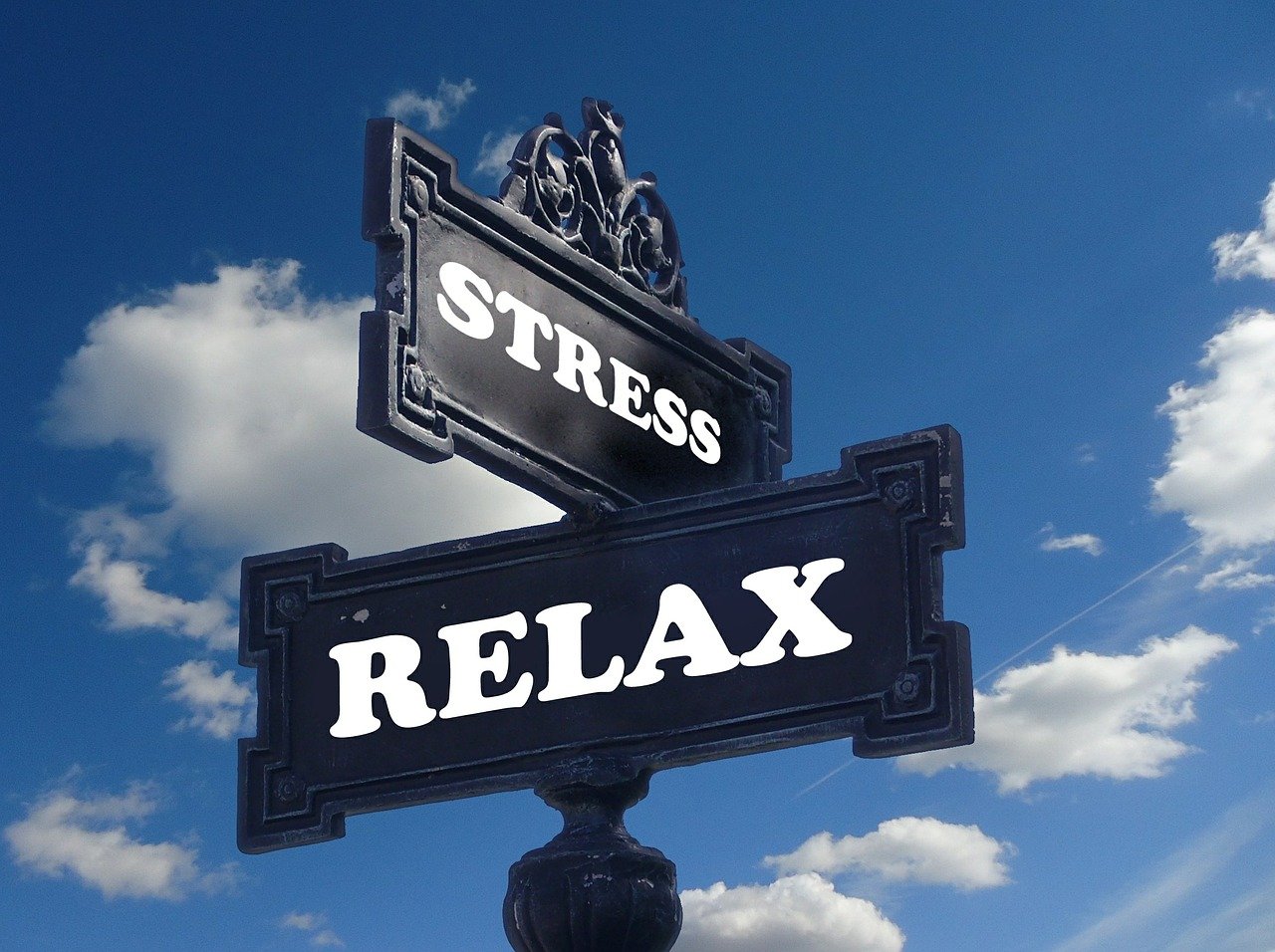
Don’t Try to Numb Your Feelings
When you have PTSD, it can be easy to become overwhelmed by feelings. Emotional numbing can feel like a natural response to trauma, but it is a harmful and ineffective coping strategy that can lead to many other problems. The more you try to outrun your emotions, the more likely you will need to use numbing coping mechanisms like restriction, workaholism, drugs, and alcohol, or unhealthy behaviors like binge eating, sex, or gambling. These numbing tactics can cause various adverse side effects, including weight gain and addictions.
When your numbing habits do not help to ease your symptoms, it is time to seek treatment. Psychiatric professionals specializing in PTSD can help you understand your condition, identify what triggers your symptoms and create a plan for overcoming them.
Some therapists offer cognitive processing therapy (CPT), which can help you resolve conflicts between your pre-trauma beliefs and post-trauma experiences. Another option is narrative exposure therapy, which can help you put your traumatic experience into perspective and express your thoughts and emotions through writing.
Other helpful coping strategies include exercise, meditation and yoga, journaling, and talking with a trusted friend or spiritual or religious leader. Finding a support group where you can speak with others who have experienced similar traumas and difficulties is also essential.
Find Support
Many people with PTSD feel isolated or alone, but there are many ways to get support. Talking to a friend, exercising, eating well, and getting enough sleep can help. Being involved in a positive community can also be helpful.
PTSD support groups and regular therapy sessions with a mental health professional can give people the tools to overcome PTSD.
When a person experiences a traumatic event, their nervous system responds with the fight-or-flight response. This reaction speeds up their heart rate, raises blood pressure, tightens their muscles, and increases their strength. But PTSD can cause their nervous system to stay “stuck” in this state, even after the danger has passed. People with PTSD can learn to retrain their nervous systems to relax and move on.
Researchers don’t know precisely what causes PTSD, but they know that some people are more likely to develop it than others. Everyone needs to get the help they need. This includes not ignoring symptoms, seeking prompt treatment from a mental health professional, and making healthy lifestyle choices to avoid negative coping behaviors like abusing drugs or alcohol.
PTSD can be difficult to manage and interfere with family life. However, most people can recover by following a treatment plan and finding new coping methods.
Don’t Avoid Triggers
PTSD triggers are memories and sensations of the trauma that can cause you to feel like you’re living through it again. They can be caused by things directly connected to the event, such as a particular sound or smell, or they may be more abstract, such as seeing a news report of the incident or even just feeling the sun on your face. Identifying your specific triggers to plan for them and developing coping strategies is essential.
Avoiding triggering thoughts, feelings, and situations can seem like an excellent solution to the trauma, and it may be an effective strategy for some time. However, over time it will lead to a build-up of stress and insecurities that can be very difficult to shake. It is also often counterproductive, as you may avoid more things that bring up painful emotions or feelings of fear and danger.
You can identify your PTSD triggers by listing the people, places, and situations that make you feel afraid or unsafe. Once you have a list, try to organize it into categories of the level of discomfort you experience. Then, use the information you gathered to work with a mental health professional who can teach healthy coping techniques in a safe and supportive environment.
Take Care of Yourself
People with PTSD often feel stressed out, tense, and on edge. They may have trouble sleeping or concentrating. These feelings can make connecting with others and doing their jobs or studies hard. Some people with PTSD experience physical reactions like headaches, stomachaches, or muscle tension. This is because their bodies are constantly on high alert due to what they experienced in the past.
Using positive coping strategies can help ease these symptoms. For example, exercise, deep breathing, massage, and aromatherapy can activate the body’s relaxation response and soothe tense muscles. Avoiding alcohol and drugs can be beneficial too. These substances can numb feelings, decrease stress or quiet thoughts, and increase anger and depression. These self-destructive habits are not helpful to anyone, especially people with PTSD.
The good news is that people with PTSD can get better with the help of mental health professionals. A therapist can help them learn what triggers their symptoms and how to cope. It can also teach them new coping skills and implement a unique treatment plan.
Symptoms of PTSD include flashbacks and nightmares, avoiding people or places that remind them of what happened, and feeling angry, guilty, and depressed. Medications can help control these symptoms and improve a person’s overall quality of life. They can be used on their own or in combination with other treatments.