
Micro-needling treatment is an effective and affordable way to improve your skin’s appearance without invasive surgery. It can also treat several skin conditions, including acne scars, fine lines, and wrinkles.
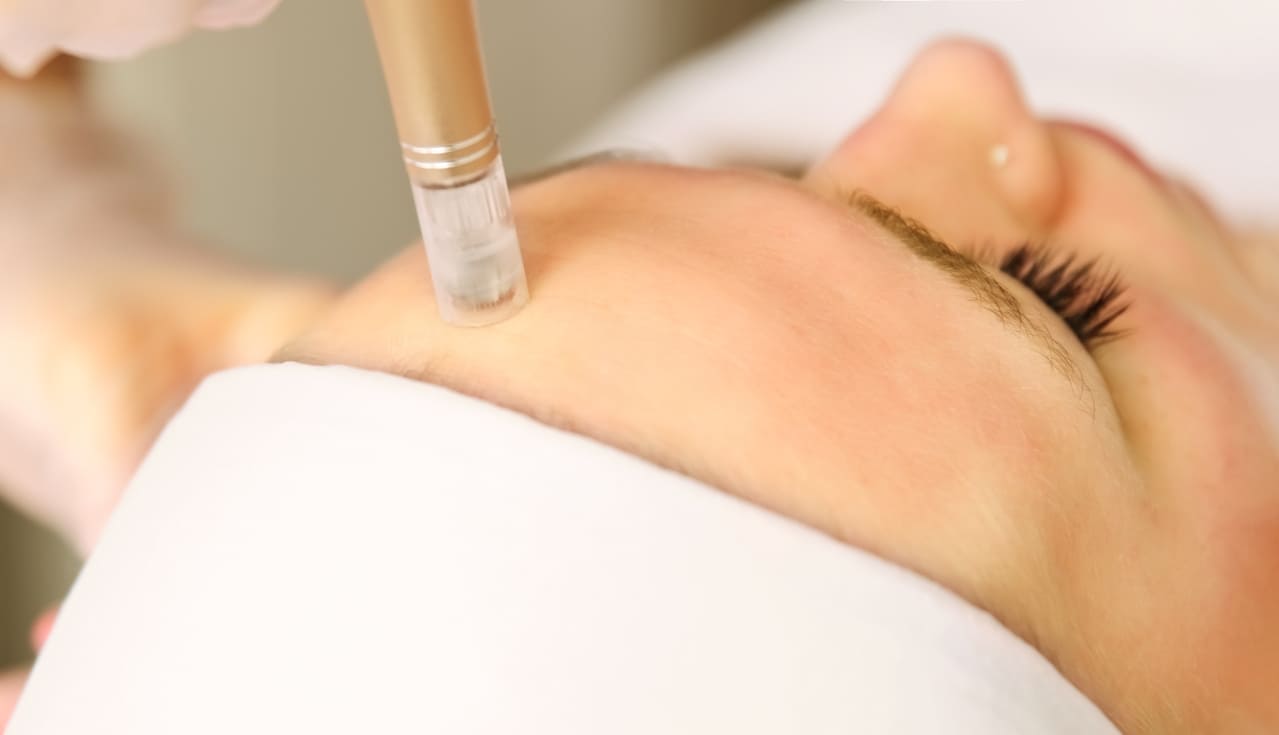
Before your micro-needling session, your provider will apply a numbing cream to minimize discomfort. It’s important to tell your provider if you have a bleeding disorder or are taking blood thinners.
What is Microneedling?
Microneedling is a skin-rejuvenation technique that’s been around for about 20 years in one form or another. Often referred to as collagen induction therapy, skin needling, or percutaneous collagen induction, this treatment increases your body’s natural production of collagen and helps you look younger by reducing the appearance of fine lines and wrinkles, large pores, brown spots, and more.
To do this, a pen-shaped device with tiny needles penetrates your skin, creating temporary micro-channels that your body will quickly heal and fill. Your doctor will apply a topical numbing cream to the area before treatment begins to reduce pain.
Once the microchannels are created, a serum that helps the device glide over your skin is applied to the treatment area. Then, your doctor will use the micro-needling pen to create the desired result in the targeted areas of your skin. After the treatment, a copper repair cream is applied to help the healing process.
One of the benefits of microneedling treatment is that it can be used on most skin types and tones, including darker skin. But it may not be appropriate for you if you have a blood disorder, take medication that thins your blood, are pregnant or breastfeeding, or have a medical condition like eczema or diabetes. This is because micro-needling may cause bleeding.
How Does It Work?
Microneedling works by stimulating the production of collagen. The tiny pinpricks of the needles jumpstart collagen production, leaving skin looking younger and healthier. It treats various skin issues, including acne scars, stretch marks, fine lines, and wrinkles.
To perform the treatment, your doctor will apply a numbing cream to your face so you don’t feel any pain. Then, they will move a pen-like tool with tiny needles around your face in a consistent manner. After a few minutes, your skin will look red and irritated.
However, it is essential to note that the inflammation from the treatment is temporary. The recovery period lasts a few days and is often compared to how your skin feels after sunburn. It is crucial to moisturize the skin after micro-needling to help it heal.
Your results will take a few weeks, but you should see continued improvement as your body creates new collagen and elastin. You should receive multiple treatments over a few months, and many patients schedule regular maintenance sessions to maintain their results. This treatment is safe for all skin types and tones but unsuitable for those who have recently used Accutane or other similar medications or have a history of keloid scarring.
What Can Microneedling Treat?
Microneedling can treat many skin conditions and problems not quickly addressed by skincare products or regular facials. It is especially effective at reducing acne scars, smoothing fine lines and wrinkles, and improving skin tone and texture.
First, the treatment person will smooth a numbing cream over your face to prevent you from feeling the needle pricks. Then, they will move a pen-shaped device with tiny needles around your face. These needles will make minor cuts in your skin, triggering your body’s natural healing process. This will cause your body to send collagen to the area, reducing or filling in lines and wrinkles.
In addition, your body will also create new skin cells and improve the overall structure of your skin, which can help reduce stretch marks and scars. For best results, we recommend getting a series of treatments done by a qualified medical skin care professional.
Microneedling is safe for most people, but you shouldn’t receive it if you have active inflammatory acne or herpes simplex (cold sores). You should also avoid this treatment if you take blood thinners because it can cause bleeding during and after the procedure. Fortunately, most people don’t experience serious risks when the treatment is performed by a qualified dermatologist or medical skin care professional using FDA-approved devices.
How Long Will Microneedling Take?
A professional will put numbing cream on your face before moving a pen-shaped or rolling device with tiny needles around your skin. The hands will make minor cuts on your skin that will cause some bleeding. Then, the arrows will move away to create space for your body to patch up those tiny injuries with collagen. That will help smooth out fine lines and wrinkles, fade dark spots, and make acne scarring less noticeable.
You may also get a micro-needling treatment with platelet-rich plasma (PRP) to boost the regenerative process. PRP is made by drawing blood, spinning it to concentrate the platelets, and transforming growth factors. It’s then applied to the treated area to improve cosmetic results and give your skin a healthy glow.
Typically, you’ll need multiple treatments to achieve the desired result. The number of treatments will depend on your skin type and concerns. However, you’ll usually see visible results after one to four sessions.
In addition to reducing blemishes, acne scarring, and fading dark spots, micro-needling can improve skin texture and tone, making it firmer and tighter. The procedure is ideal for people with various skin issues that haven’t responded to other treatments. It can also encourage hair growth by stimulating dormant hair follicles.